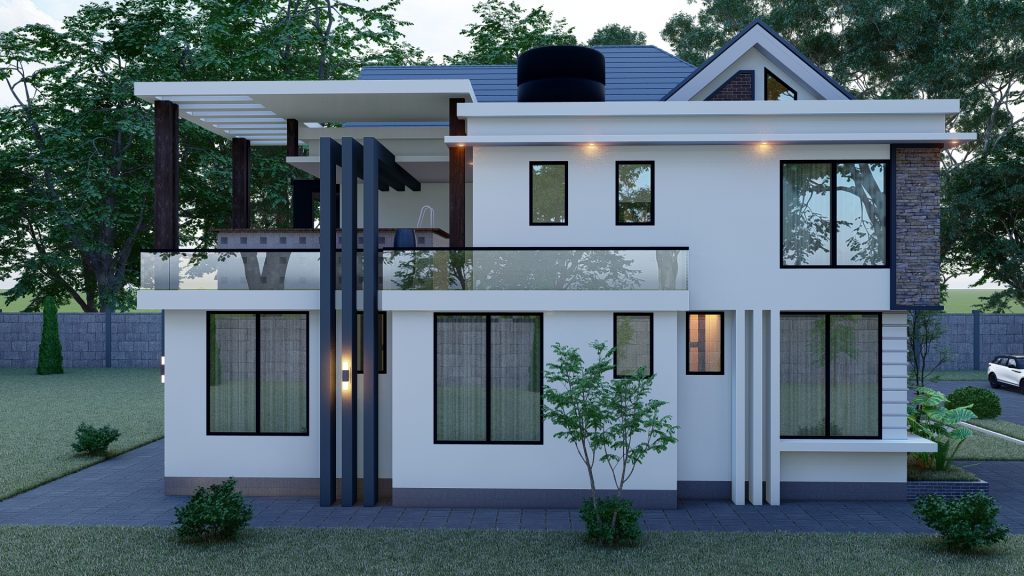
Architectural drawings are technical, scaled illustrations that communicate the precise spatial layout, dimensions, materials, and construction methods of a building. They translate a conceptual design into a legal, buildable reality, serving as the universal language shared between clients, municipal planning departments, and construction crews.
The Standard Architectural Drawing Set
A complete project blueprint set is organized by specific viewing angles and functions to ensure full coverage of the building’s geometry:
- Site Plan: A bird’s-eye view mapping the building’s exact footprint on the property line. It illustrates setbacks, property boundaries, roads, utility connections, and topography contours.
- Floor Plans: Overhead horizontal cuts taken at roughly 4 feet (1.2 meters) above the floor level. These show room layouts, wall thicknesses, door swings, window positions, and localized dimension strings.
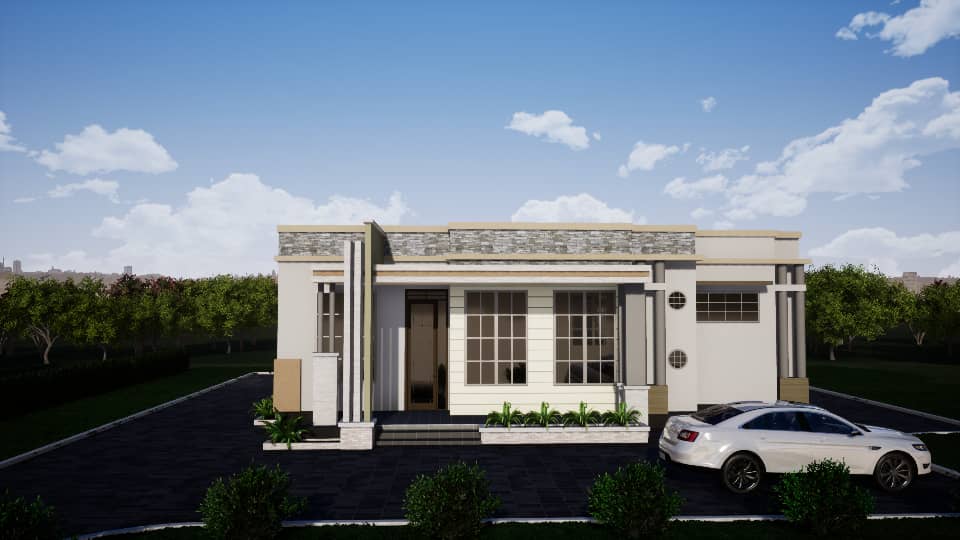
- Elevations: Flat, two-dimensional exterior views of the building’s faces (North, South, East, West). They detail exterior finish materials, floor-to-floor heights, window shapes, and roof pitches.
- Sections: Vertical cuts through the building structure. They reveal inner spatial relationships, ceiling heights, hidden structural assemblies, insulation layers, and the vertical connection of components like reinforced concrete stairs.
- Detail Drawings: Large-scale close-ups focusing on complex junctions, such as window sills, foundation footings, and structural connections. They specify exact material layers, fasteners, and waterproofing methods.
Core Technical Elements Found in Every Drawing
To maintain readability and structural accuracy, architectural sheets use standardized technical drafting conventions:
[Drawing Sheet Architecture]
├── Title Block (Project name, architect, date, sheet number, scale)
├── Spatial Geometry (Lines, dimensions, notes, material callouts)
└── Navigation Tools (North arrow, section cut lines, detail bubbles)
- The Title Block: Located on the right or bottom margin of the sheet. It provides the project name, architect credentials, sheet number (e.g., A-101 for floor plans), issue date, and modification history.
- Scale Indicators: Every drawing must state its scale (e.g., $1:100$ for floor plans, $1:20$ for sections). It includes both text markings and a graphic scale bar to ensure accuracy if the sheet is resized or printed.
- Line Weights: Varying line thicknesses represent depth and material density. Thick lines represent objects sliced by the view plane (like structural concrete walls), while thin lines show background items (like cabinetry or flooring grids).
- Dimensions: Multi-tiered line chains indicating total building length, room clearances, and specific window or door openings to eliminate guesswork on-site.
- Cross-Referencing Symbols: Standardized symbols, such as section cut lines or detail callout bubbles, direct the contractor to the specific sheet where an expanded view of that structural element is drawn.
Architectural Drawing Classification Matrix
| Drawing Type | Scale Range | Primary Purpose | Key Details Included |
| Site Plan | 1:200 to 1:500 | Context and positioning | Property boundaries, utility paths, easements, north arrow. |
| Floor Plan | 1:50 to 1:100 | Spatial flow and layout | Room labels, structural column grids, doors, dimensions. |
| Section | 1:20 to 1:50 | Vertical building assembly | Roof framing, floor slab thicknesses, internal stairs, foundations. |
| Detail | 1:1 to 1:10 | Material installation | Waterproofing membranes, rebar sizes, flashings, structural ties. |
Modern Tools of the Trade
BIM (Building Information Modeling): Platforms like Revit and ArchiCAD build a fully intelligent 3D digital model of the structure. Floor plans, sections, and elevations are generated automatically from this single model, ensuring that any design modification immediately updates across all sheets.
CAD (Computer-Aided Design): Software like AutoCAD is used to produce crisp, highly accurate two-dimensional vectors, lines, and technical layout sheets.